
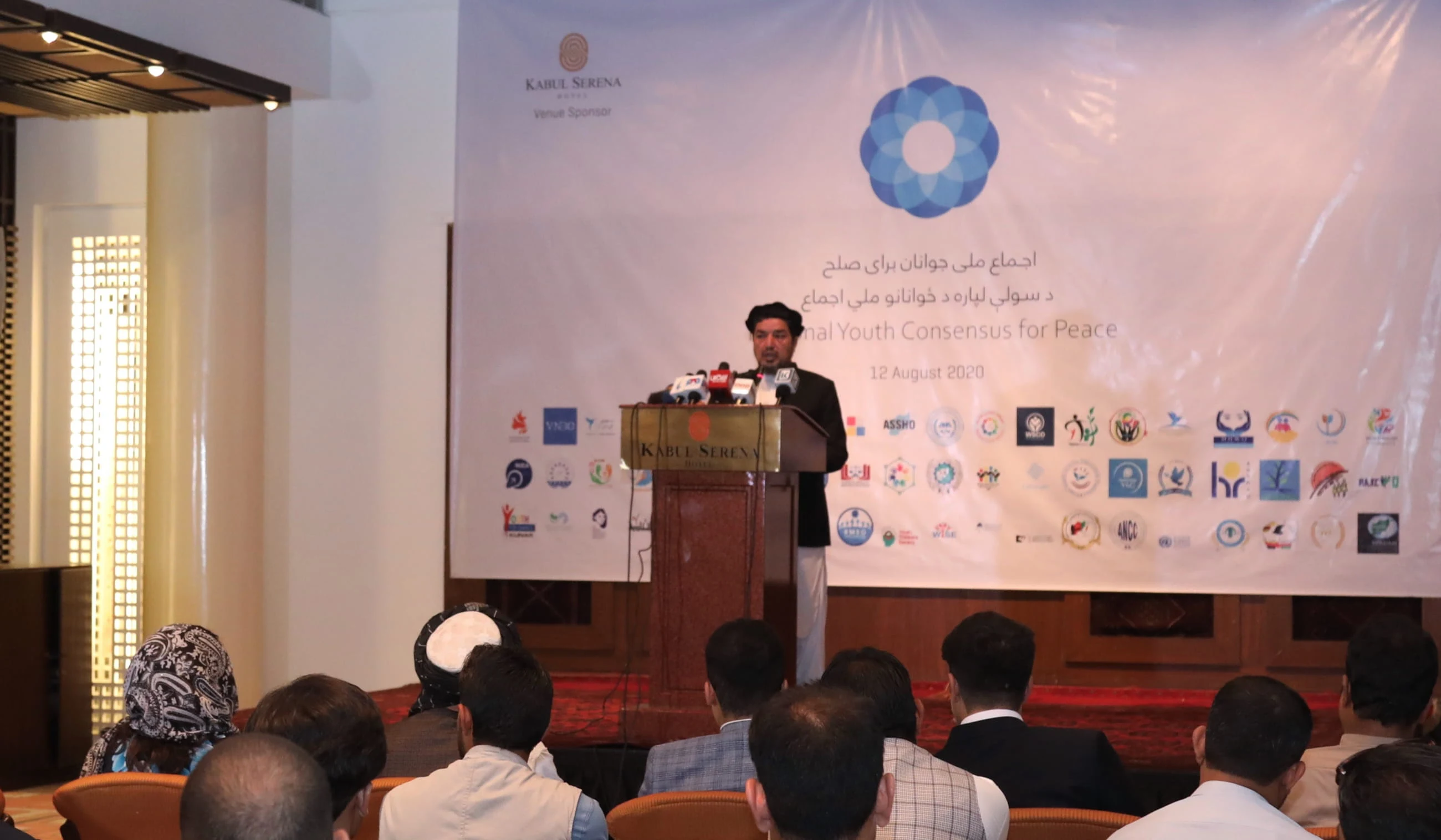
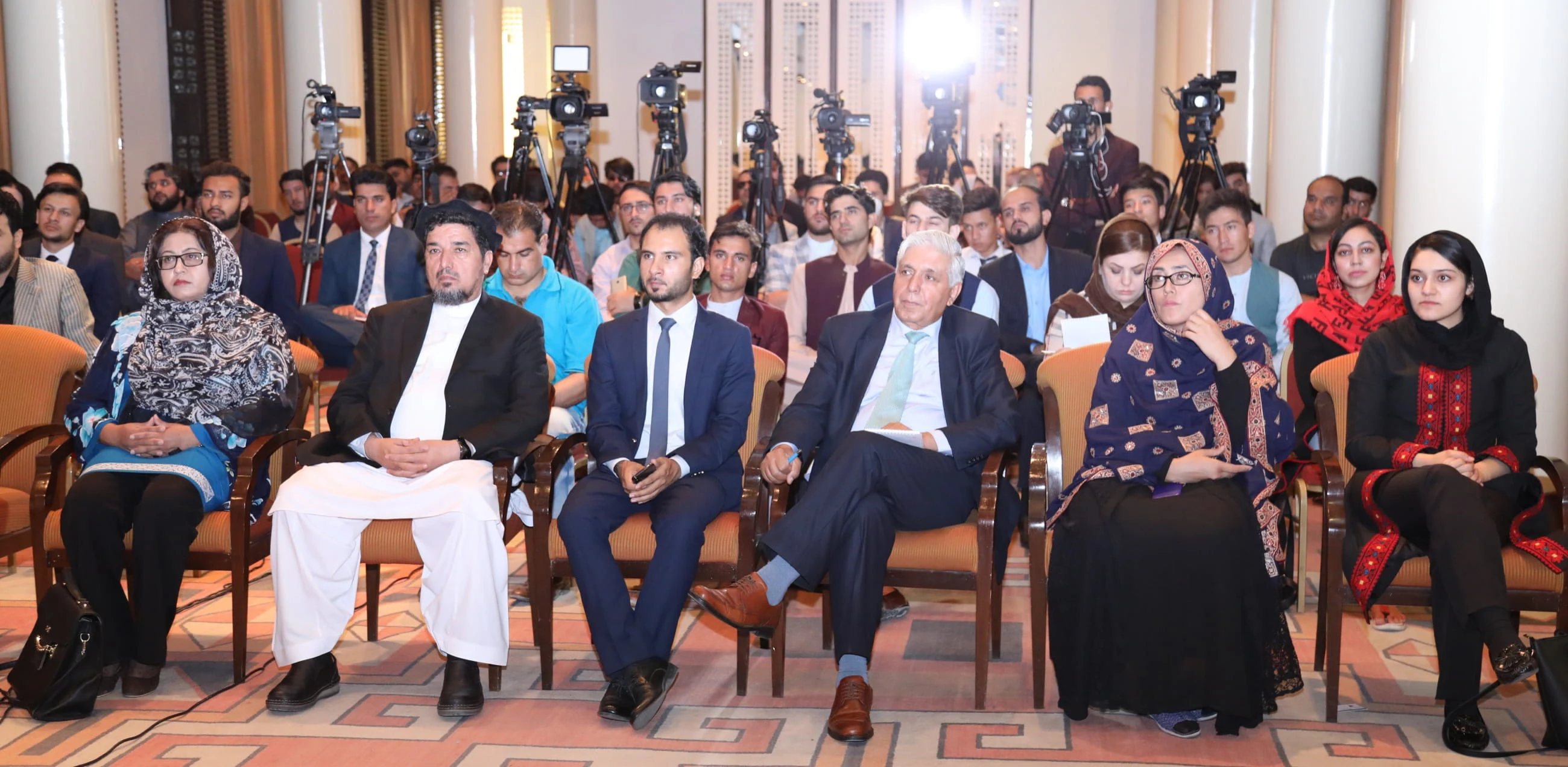
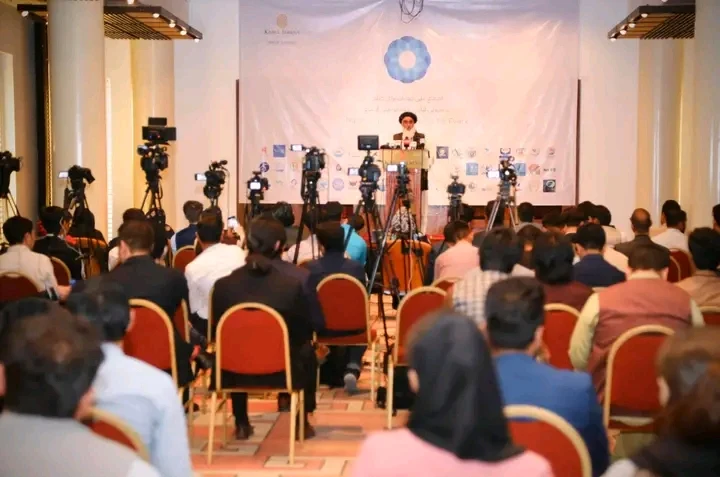
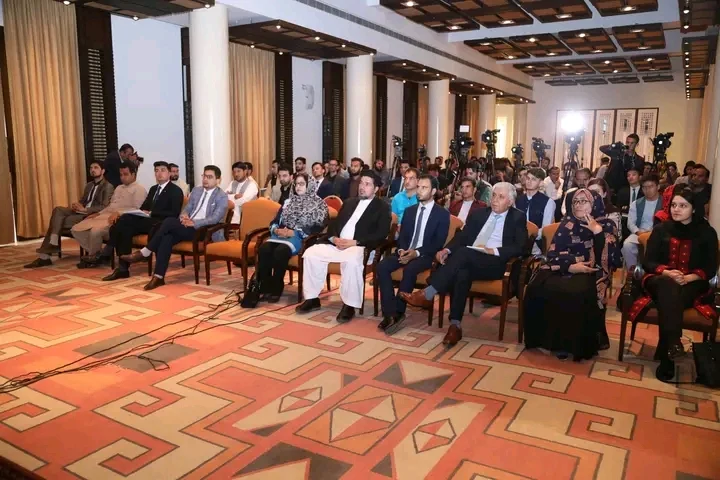
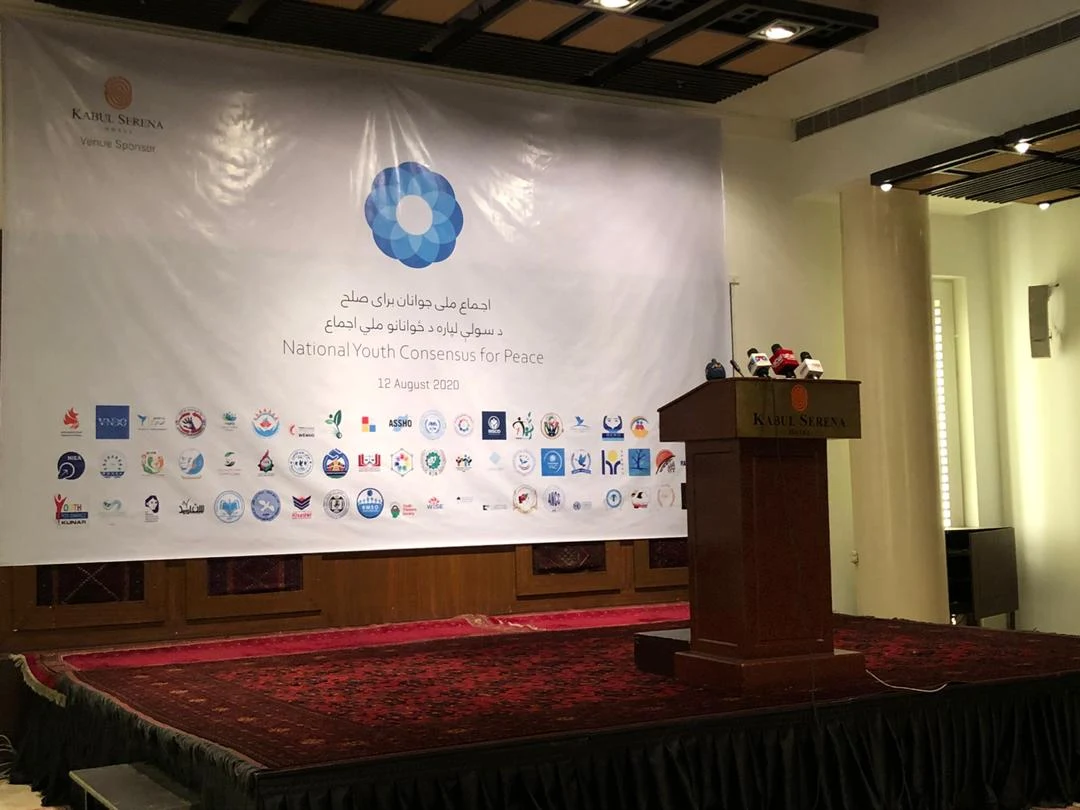
On 12 August 2020, International Youth Day, the National Youth Consensus for Peace formally presented its National Youth Resolution for Peace at Kabul Serena Hotel, bringing youth representatives together with government officials, civil society, and the media at a critical moment in Afghanistan’s peace process.
The National Youth Consensus for Peace brought together more than 240 youth organizations and networks from across Afghanistan. Following consultations and the consolidation of 27 provincial resolutions, the coalition presented one unified national resolution setting out the priorities and demands of Afghan youth.
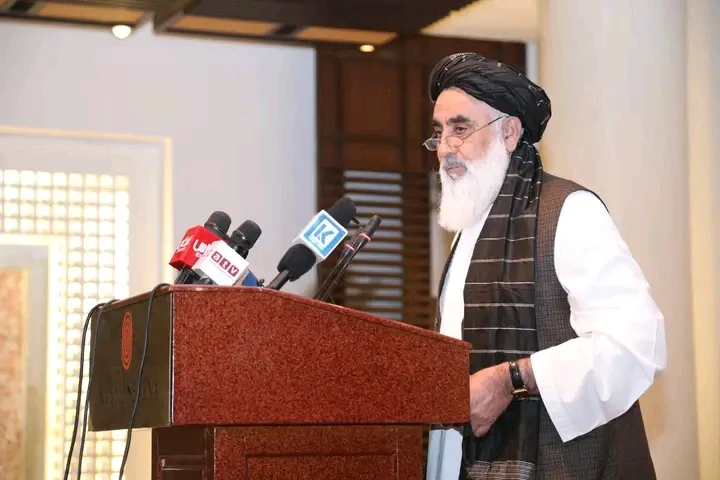
The event was attended by Abdul Khaliq Balakarzai, Deputy Minister of the State Ministry for Peace; Abdul Rahman Salim, representative of the High Council for National Reconciliation; Mohammad Ehsan Zia, Country Director of the United States Institute of Peace; youth representatives; members of civil society; and Afghan media.
Yahya Qanie, speaking on behalf of the National Youth Consensus for Peace, addressed the responsibility of young Afghans at a decisive stage of the peace process. He spoke about the establishment of the Consensus, the development of the national resolution, and the work underway on an executive mechanism for meaningful youth participation.
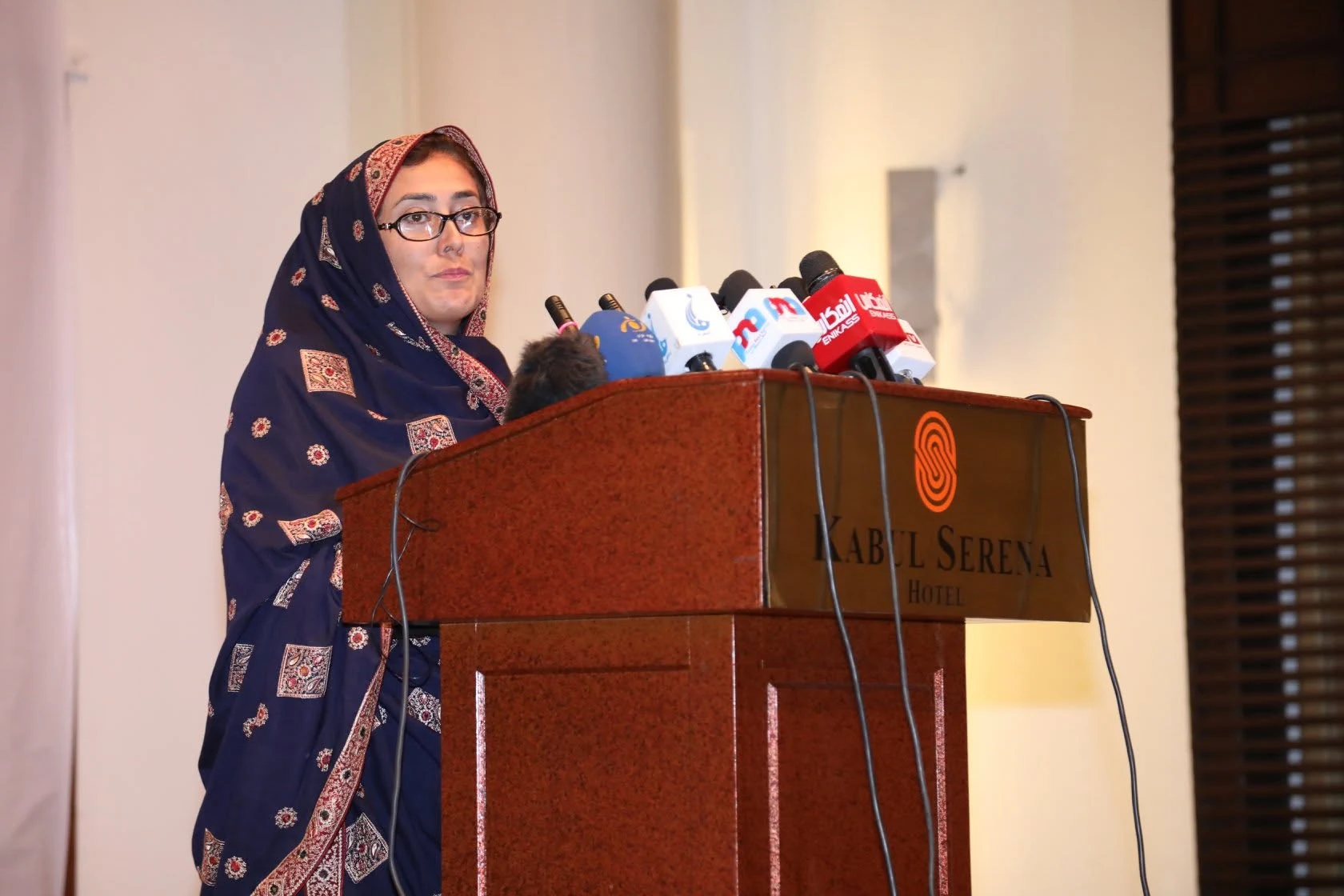
Aisha Khurram then spoke about the difficulty and importance of achieving peace while protecting the gains Afghanistan had made during the previous two decades. She emphasized that young people must be part of discussions that will determine the country’s political and social future.
One of the central moments of the event was the formal presentation of the resolution in Afghanistan’s major languages and English. Frohar Shayan presented the Dari version, Nargis Taraki the Pashto version, and Hadia Essazada the English version.
The resolution contains 12 articles addressing three parties: the Afghan government, the international community, and the Taliban. Among its demands are meaningful youth representation in the peace negotiations, protection of the rights and achievements of young Afghans, transparency in the peace process, steps toward a ceasefire, and mechanisms that allow young people to participate in decisions affecting the country’s future.
Responding to the resolution, Abdul Khaliq Balakarzai thanked young people for their work and stated that the State Ministry for Peace sought greater youth participation in the peace process. He also committed to considering the resolution in policy discussions.
Abdul Rahman Salim welcomed the initiative and spoke about the importance of youth participation in Afghanistan’s peace efforts. Mariam Durrani emphasized that participation alone was not enough and called for young people to have representation and leadership roles within the peace process.
Representing Change Makers of the World as a founding member and partner of the National Youth Consensus for Peace, Mohammad Jawid Amani and Mohammad Reza Hussaini spoke with participants about the resolution, the work of the Consensus, and plans for continued youth engagement.
The presentation of the resolution was not intended to conclude the process. The National Youth Consensus for Peace is also working on an executive mechanism for meaningful youth participation, designed to propose practical strategies and policy recommendations for the Afghan government, international community, civil society, and the Taliban. The resolution itself states that such a mechanism was developed to help define a meaningful role for youth in the peace process.
The event marked the culmination of weeks of consultation, drafting, and coordination among young Afghans. It brought their demands into one document and placed that document directly before institutions involved in Afghanistan’s peace process.
Important: Find the list of organizations that contributed to developing the resolution, including the leading organizations.
Read the National Youth Resolution for Peace
01 / 07
Share the update with others

